

Here in the board game world there’s often chatter about “classic” board games versus “modern” board games, and which is supposedly “better.” We think that’s the wrong question. The real question here is; why do these classic games still resonate, and how can we carry that feeling forward into modern gaming?
Classic board games are more than just games, they’re family traditions and shared rituals. They’re growing up around the table (or sprawled out on the living room carpet), laughing, competing, trading, cooperating, strategizing, and sometimes arguing before coming back for another round. Classics shape our earliest impressions of what board games can be.
Our goal is to take those familiar experiences and evolve them; refreshing the ideas, updating the systems, and delivering something new that still feels familiar. We’re not trying to replace or compete with those timeless favorites; if we’re doing our job right, we’re learning from them.

What we love about classics like Monopoly™, UNO™, Scrabble™, & Chess
Classic games endure for a reason, and there’s a lot modern publishers can learn from them. One of their greatest strengths is their ability to bring different generations together around the same table. There really aren’t many hobbies that can genuinely appeal to a six-year-old, and a sixty-year-old at the same time. The physical actions at their core, like rolling dice, drawing cards, placing tokens, and forming words create an elegant, universal language that almost anyone can grasp within minutes.
Many of these classic games also quietly teach important ideas and skills that translate beyond the table; like risk and reward, negotiation, timing, luck, and strategy. They also tend to have approachable rules and low barriers to entry, which is how countless players first fall in love with tabletop gaming.
And perhaps most importantly, they last. Decades later, people still play and enjoy these games, and that kind of staying power tells us something worth listening to. These classic games aren’t nostalgic relics; they’re cultural touchstones that are still very much alive today.

Mixing modern design with classic DNA
So no, we’re not here to compete with the classics. What we are doing is carrying that classic DNA forward into new experiences for modern players. Honestly, it would be a stretch for any publisher to pretend their games don’t share some kind of lineage with classic designs.
Games, like books and films, are always inspired by what came before. Why wouldn’t we want to build on ideas that have bought so much joy to players, and then see how far we can take those ideas?
That philosophy runs through our catalog. Games like Word Traveler, The Hobbit: There and Back Again™, and Crafting the Cosmos all stand on foundations laid by classic experiences. And when you look at newer titles like River of Gold or The Lord of the Rings: The Fellowship of the Ring™ Trick-Taking Game, those influences become even clearer.

River of Gold sails Monopoly into the 21st century
River of Gold is a mid-weight euro-style game about navigating trade routes, building influence, and economic maneuvering in the world of the Legends of the Five Rings. But if you strip back the theme, the modern twists, and the fancy board game jargon, something more familiar emerges.
At its heart, it’s a game about moving around a board, collecting money and resources, buying buildings, earning rewards when players land on them, and working your way toward becoming the most influential player.
Sound more familiar?
The result is a game that respects the spirit of classic property-and-trade games like Monopoly™, while offering deeper strategy, multiple paths to victory, and replayability that extends far beyond a single evening.
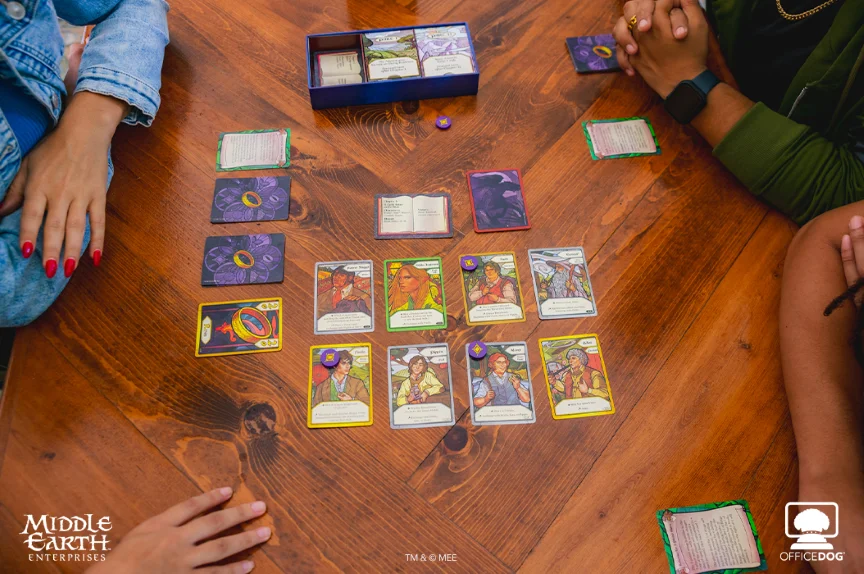
The Lord of the Rings: The Fellowship of the Ring Trick-Taking Game puts the Heart(s) back into modern gaming
Then there’s The Fellowship of the Ring Trick-Taking Game, a cooperative card game rooted in the long tradition of trick-taking classics like Hearts.
In Hearts, players track suits, avoid certain cards, and carefully manage risk over multiple hands; mechanics that have entertained players for generations.
In The Fellowship of the Ring Trick-Taking Game, we take that familiar foundation and layer it with Tolkien’s legendary story. Players take on the roles of beloved characters, each with their own goals and challenges, working together (rather than competing) to play tricks to progress through chapters and guide The Fellowship forward.
It’s classic card-game DNA, transformed into a cooperative narrative experience where success comes from teamwork and storytelling.

The next generation of gaming is ready when you are
Classic board games taught many of us how to take turns, navigate chance, negotiate (fairly or otherwise), plan ahead, win, and lose. They laid the groundwork for everything that followed, shaping how we connect, compete, and spend time together around a table.
In a world of constant screens, endless content, and overconsumption, creating simple and meaningful ways for people to connect face-to-face feels more important than ever. Board games offer something uniquely powerful, filling our lives with shared moments, conversation, laughter, and time spent together, all in a way that feels relevant, modern, and inviting.
If you still love rolling dice on a Monopoly™ board, that’s more than okay. There’s room at our table for every kind of player. But if you’re curious to try something new, something that honors the past while offering fresh ideas and experiences, we’d love to invite you to explore our games. You might just find your next favorite.
Your friends at the table,